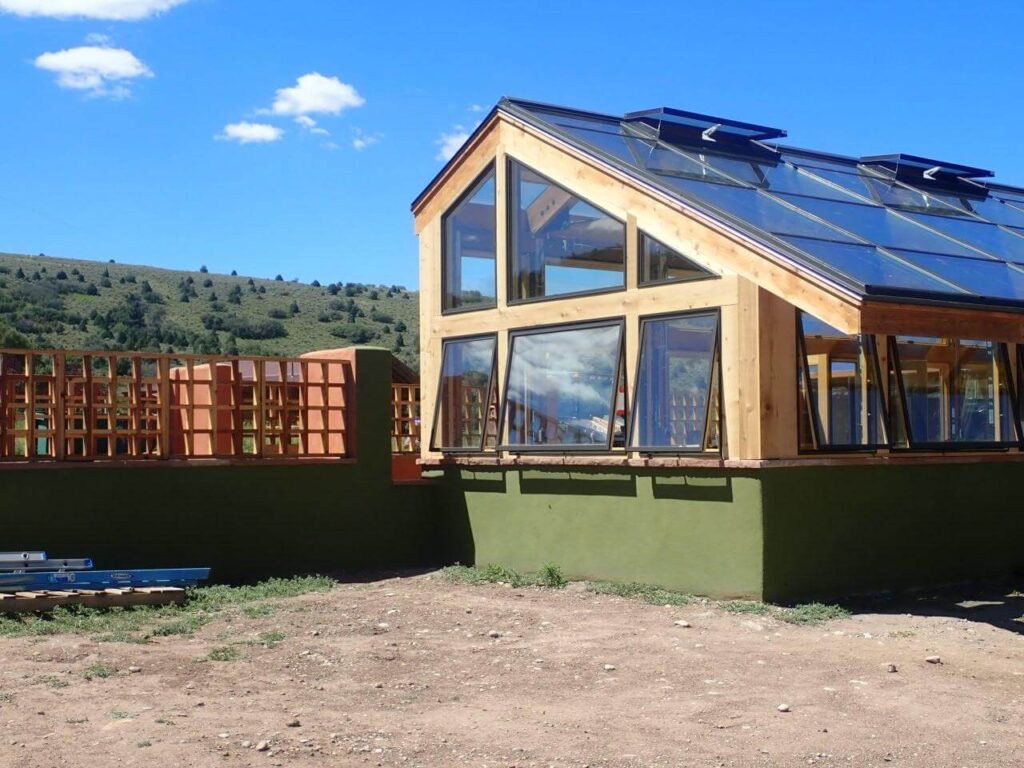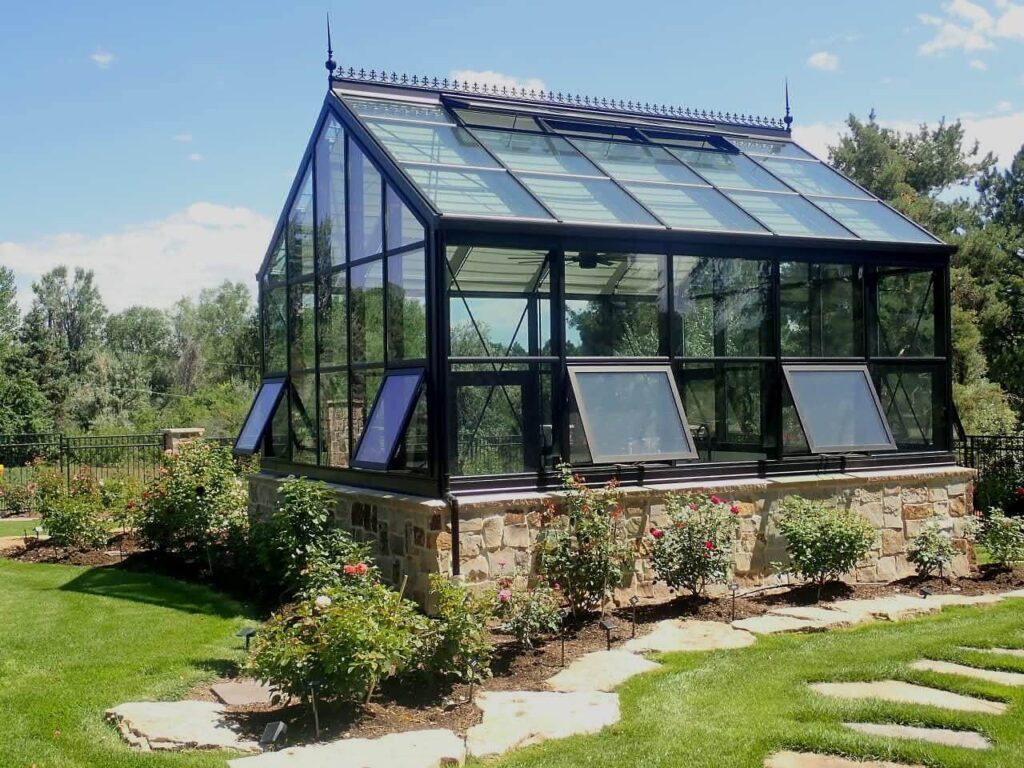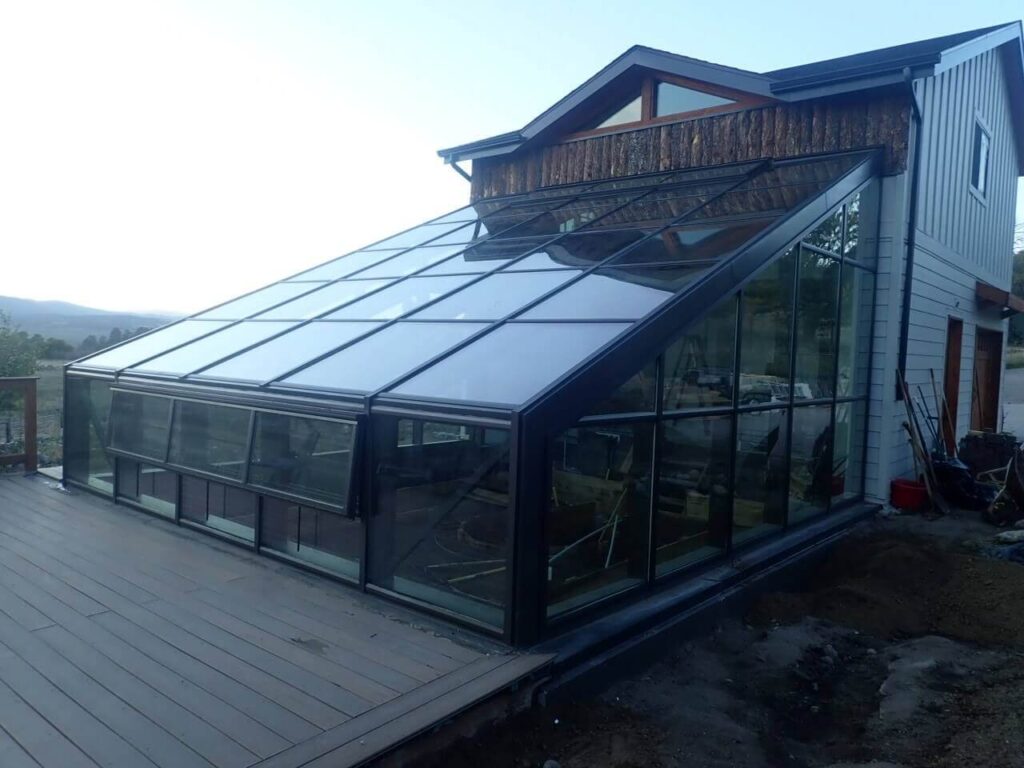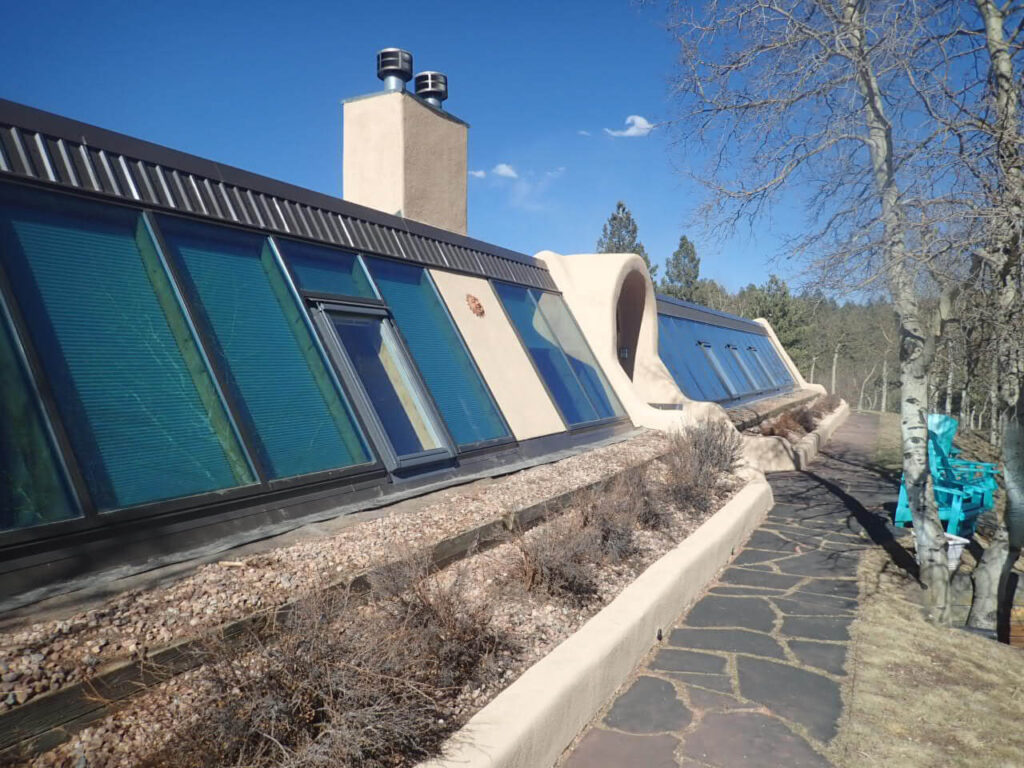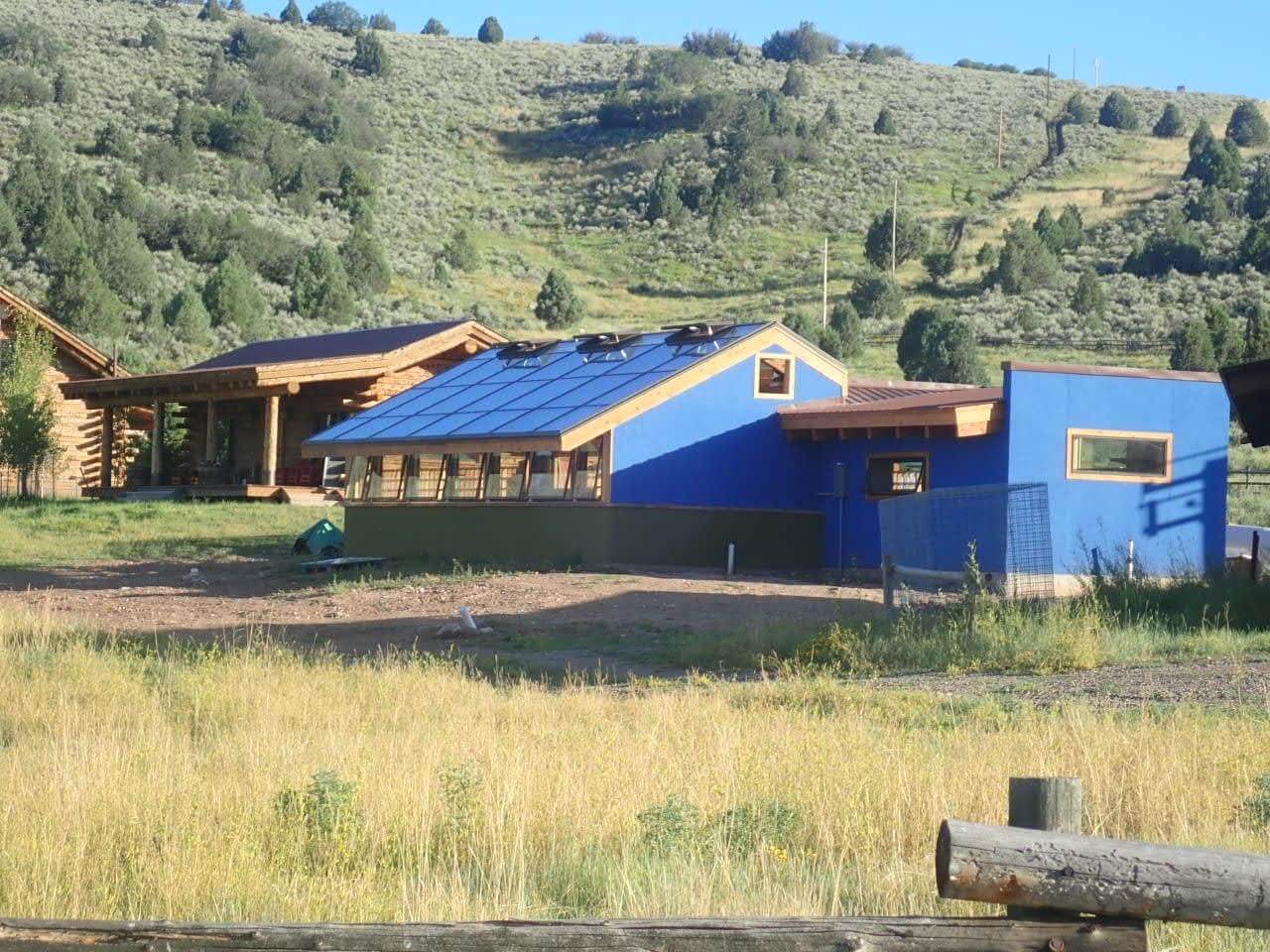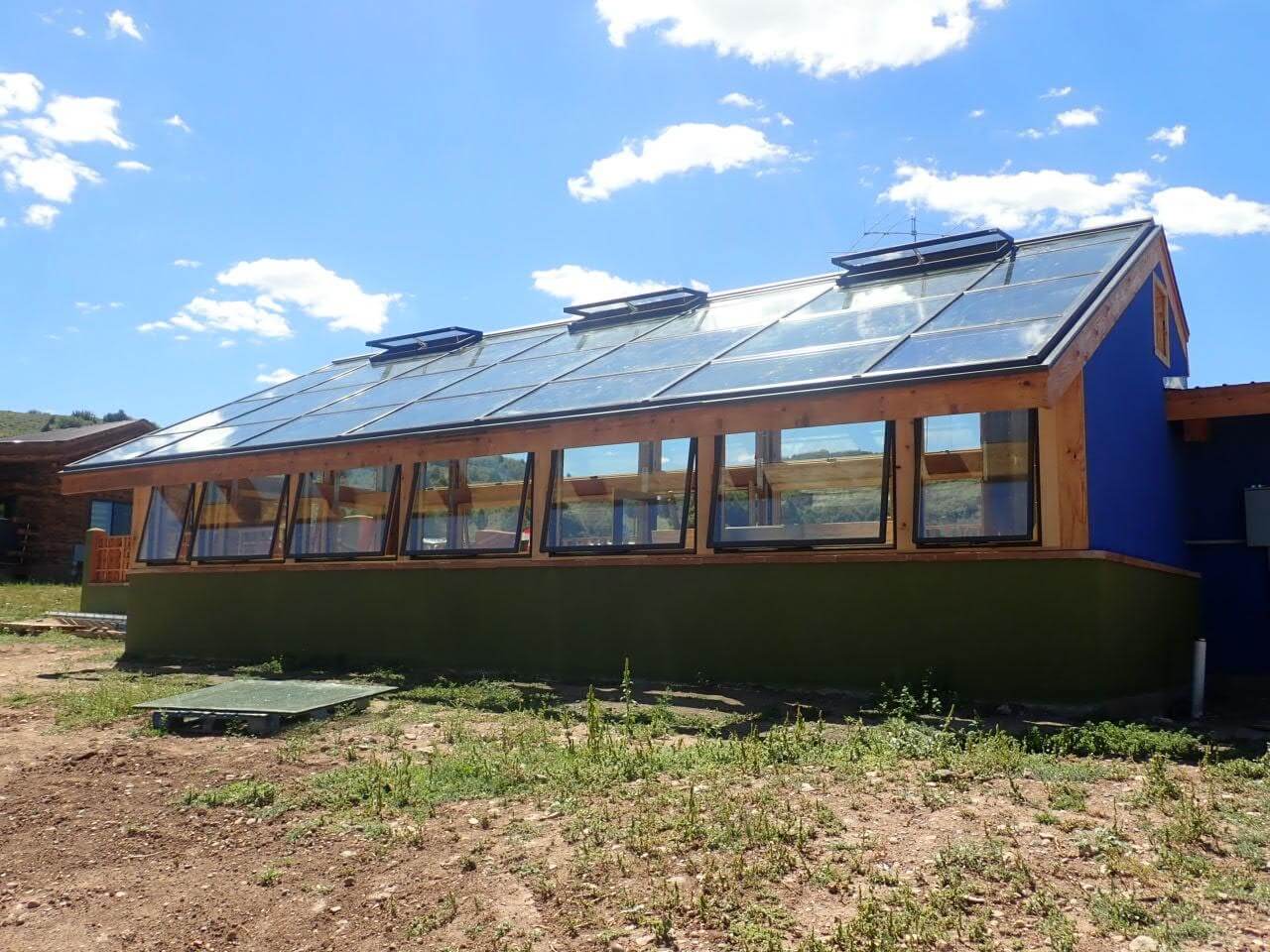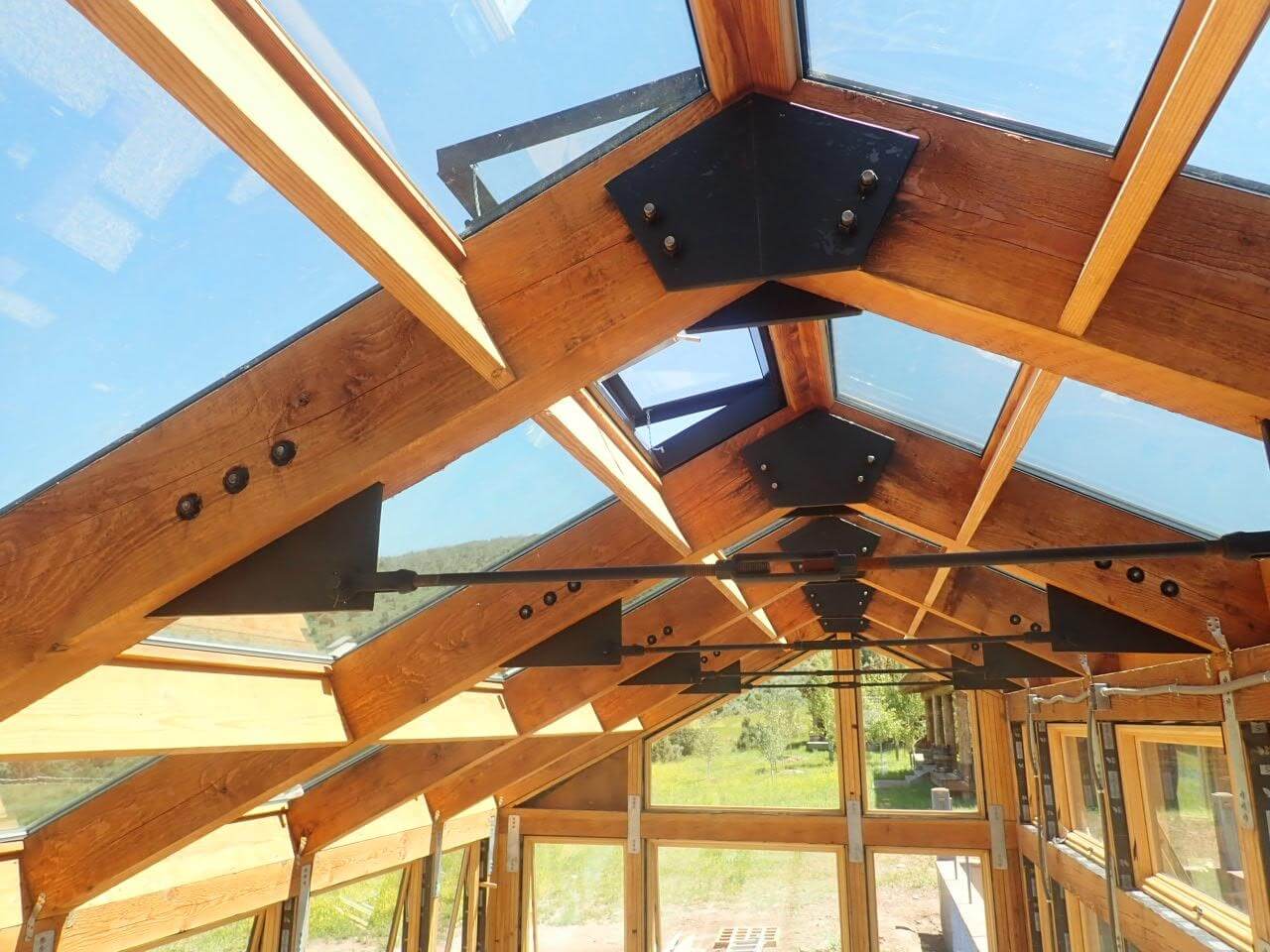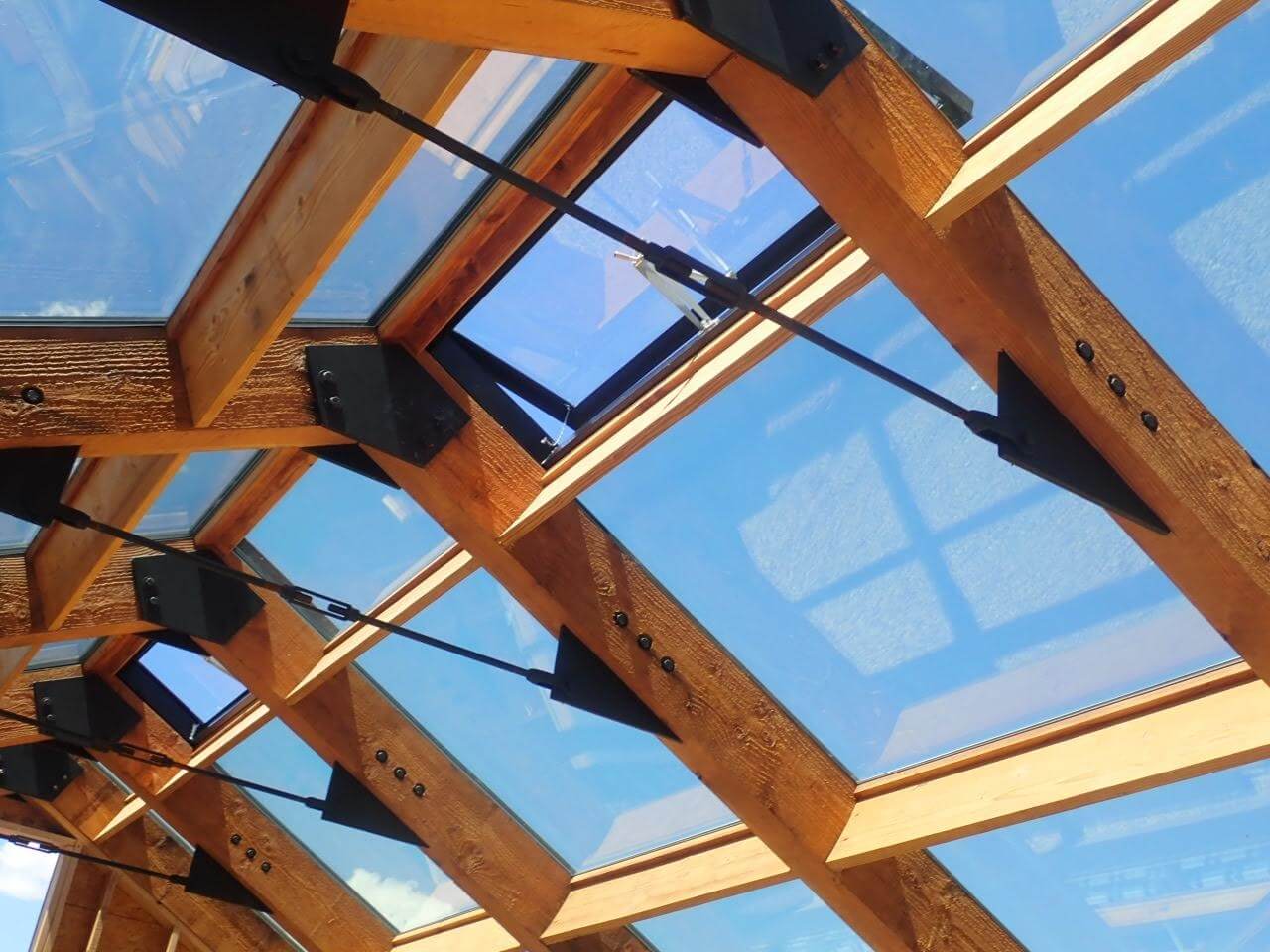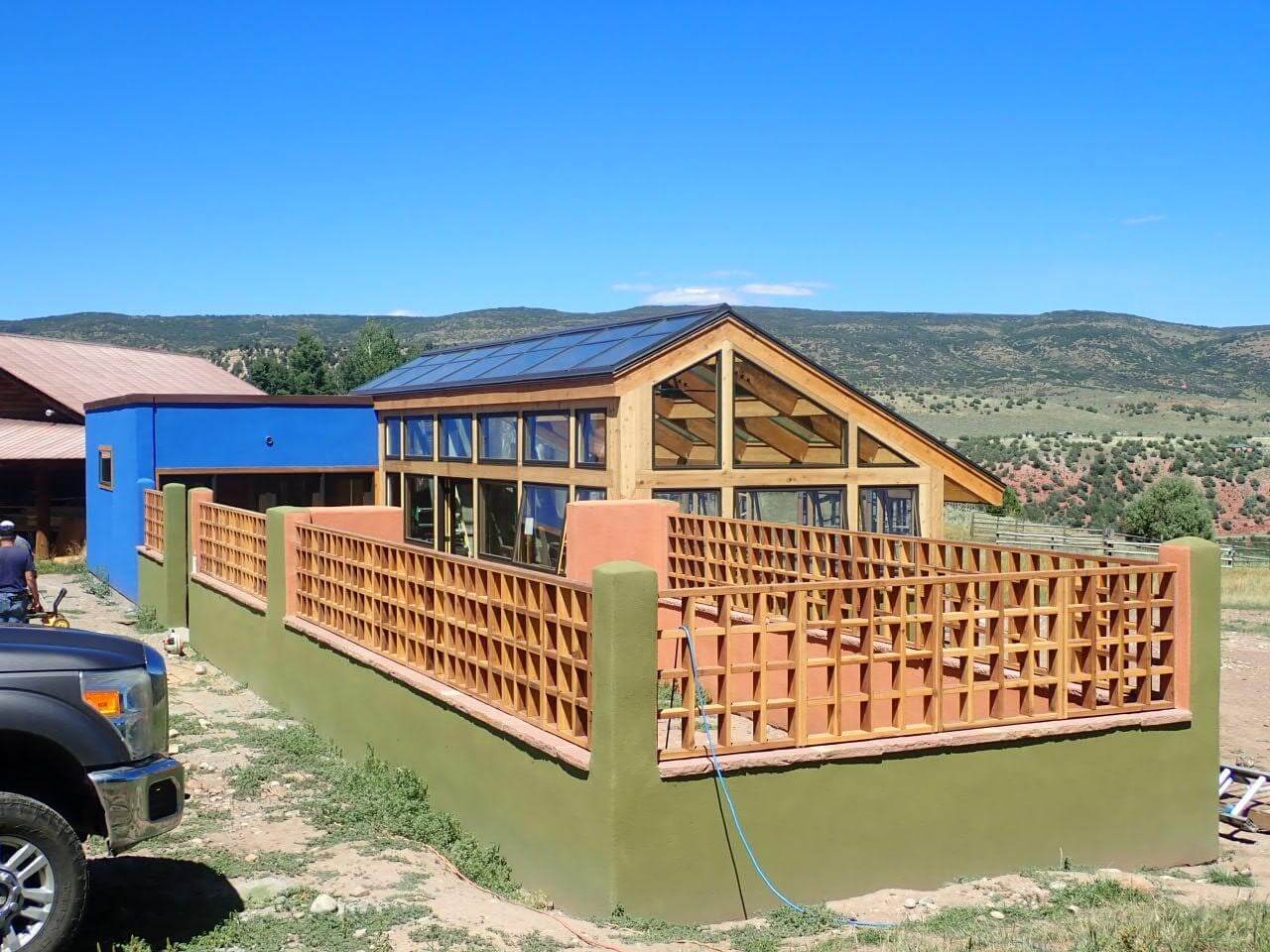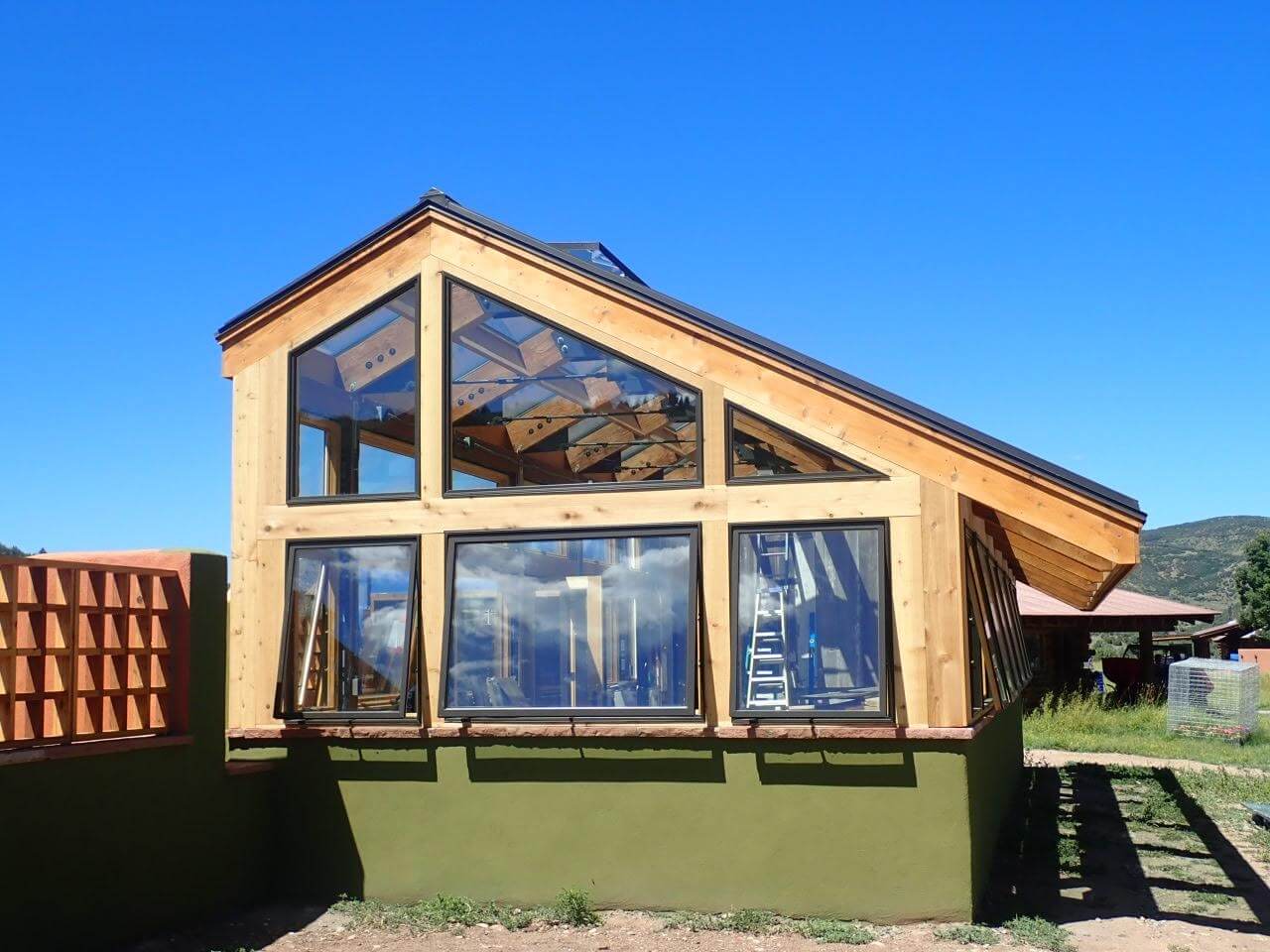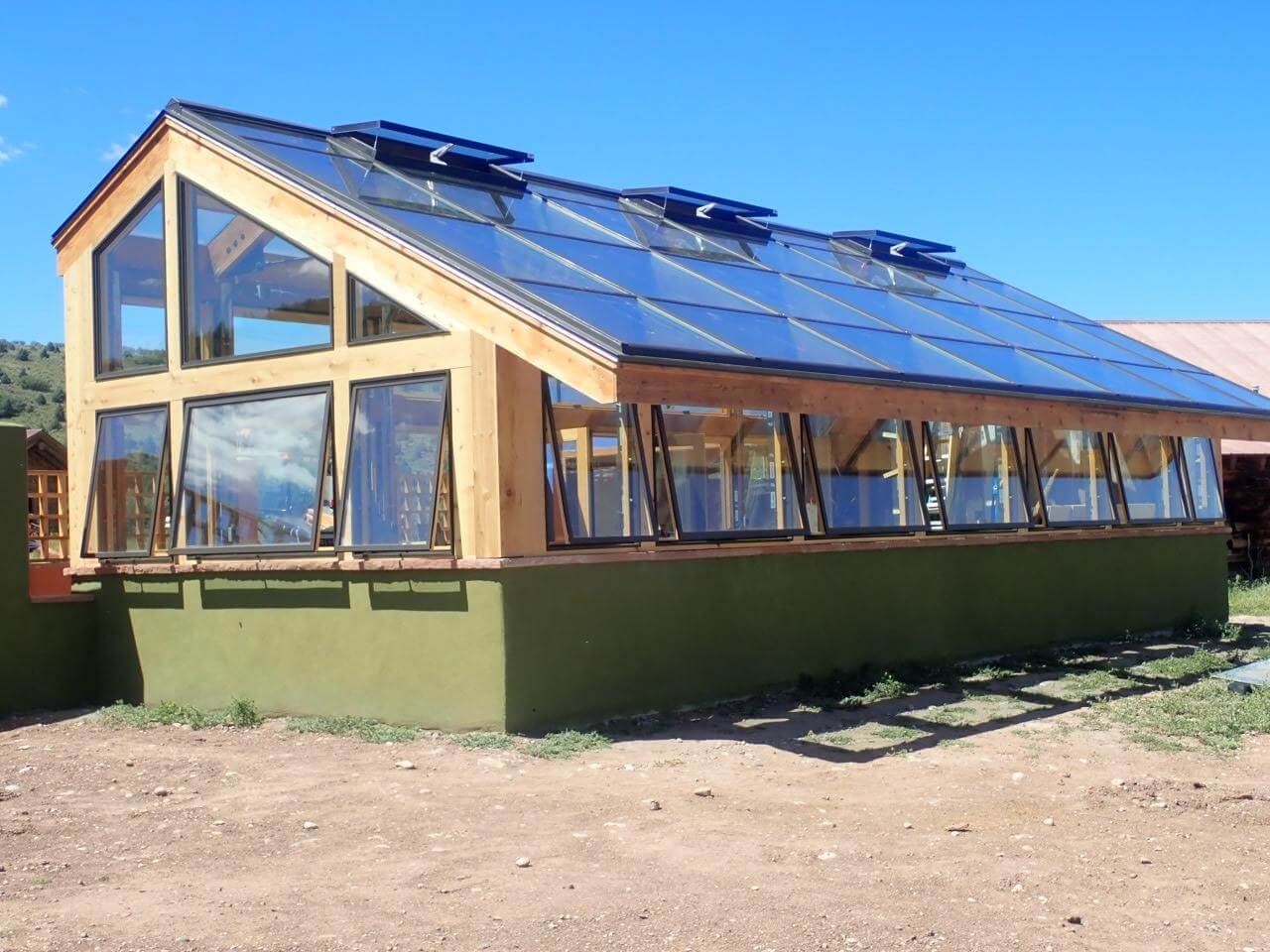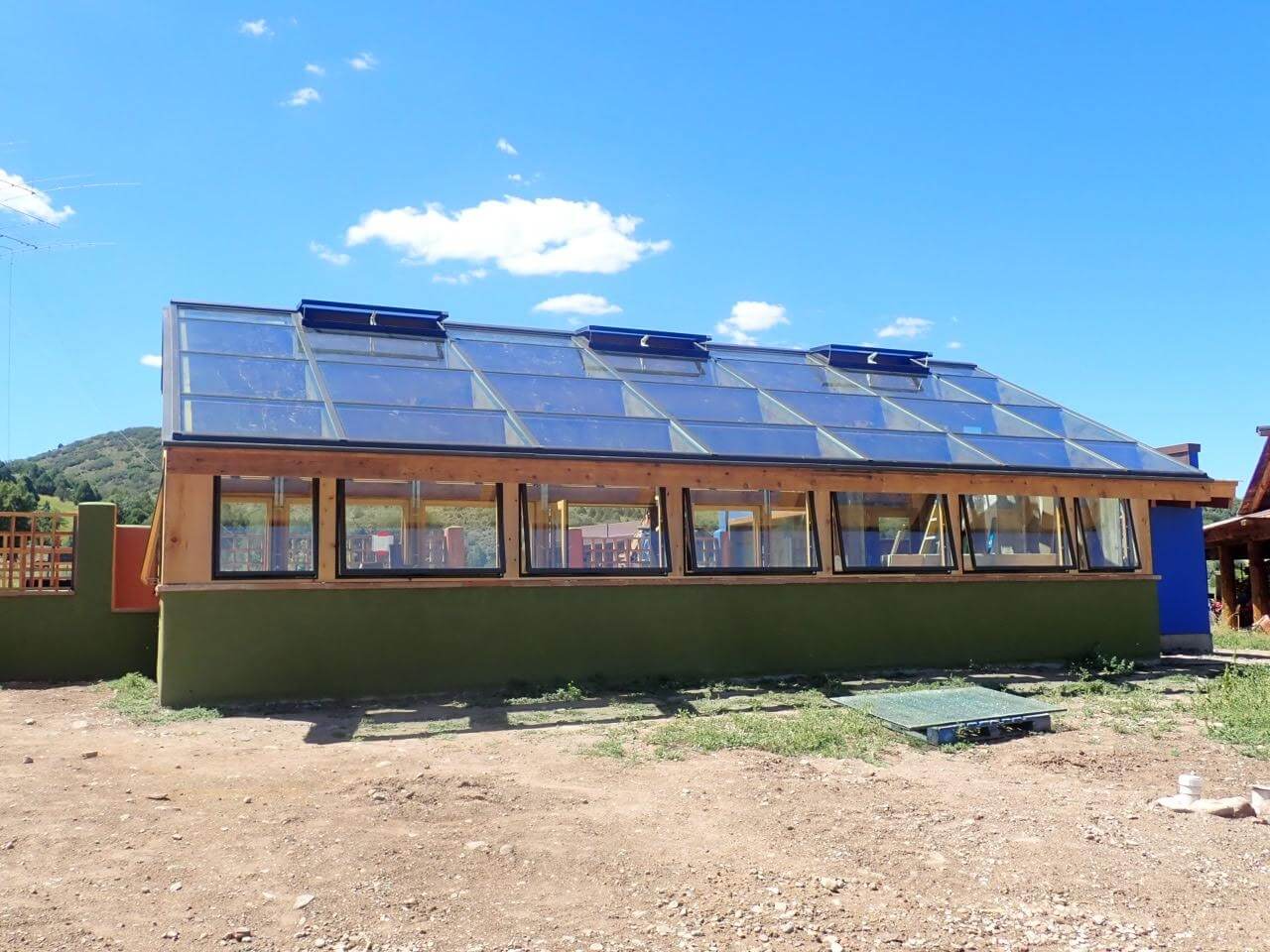
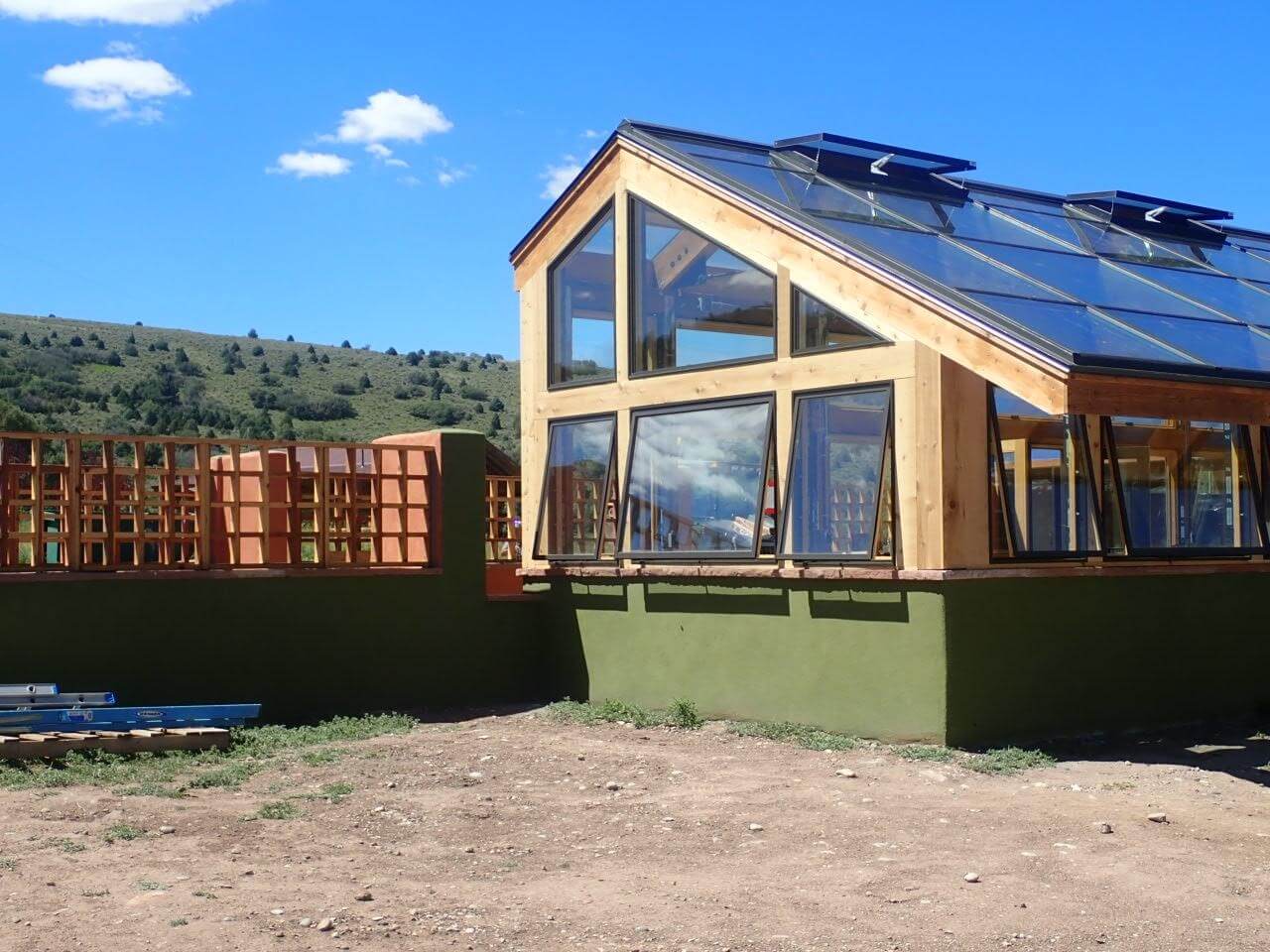
custom timber frame mountain greenhouse is more than just creating a structure; this 40 x 20 greenhouse is about crafting a personalized retreat that blends rustic charm with practical functionality. Whether you’re an avid gardener seeking to extend your growing season or simply someone who appreciates the beauty of nature, this complete guide will walk you through every step of designing and constructing a breathtaking timber frame greenhouse tailored to your mountain environment. From selecting the perfect timber to optimizing insulation and ventilation, get ready to transform your gardening dreams into a stunning reality.
The Right Location and Design for Your Mountain Greenhouse
Choosing the right location and design for your custom timber frame mountain greenhouse is crucial to ensure optimal growth conditions and long-term durability. When selecting a site,
consider factors such as sunlight exposure, wind protection, accessibility, and drainage. Ideally,
your greenhouse should be positioned in a spot that receives ample sunlight throughout the day,
as natural light is essential for healthy plant growth. South-facing slopes are often ideal in
mountainous regions, maximizing sun exposure while minimizing shade from trees or other
structures.
In terms of design, your timber frame greenhouse should harmonize with the surrounding
environment while meeting your specific gardening needs. A sturdy timber frame not only
provides structural strength to withstand mountain weather conditions like heavy snow or strong
winds but also adds a rustic, natural aesthetic that complements the landscape and your
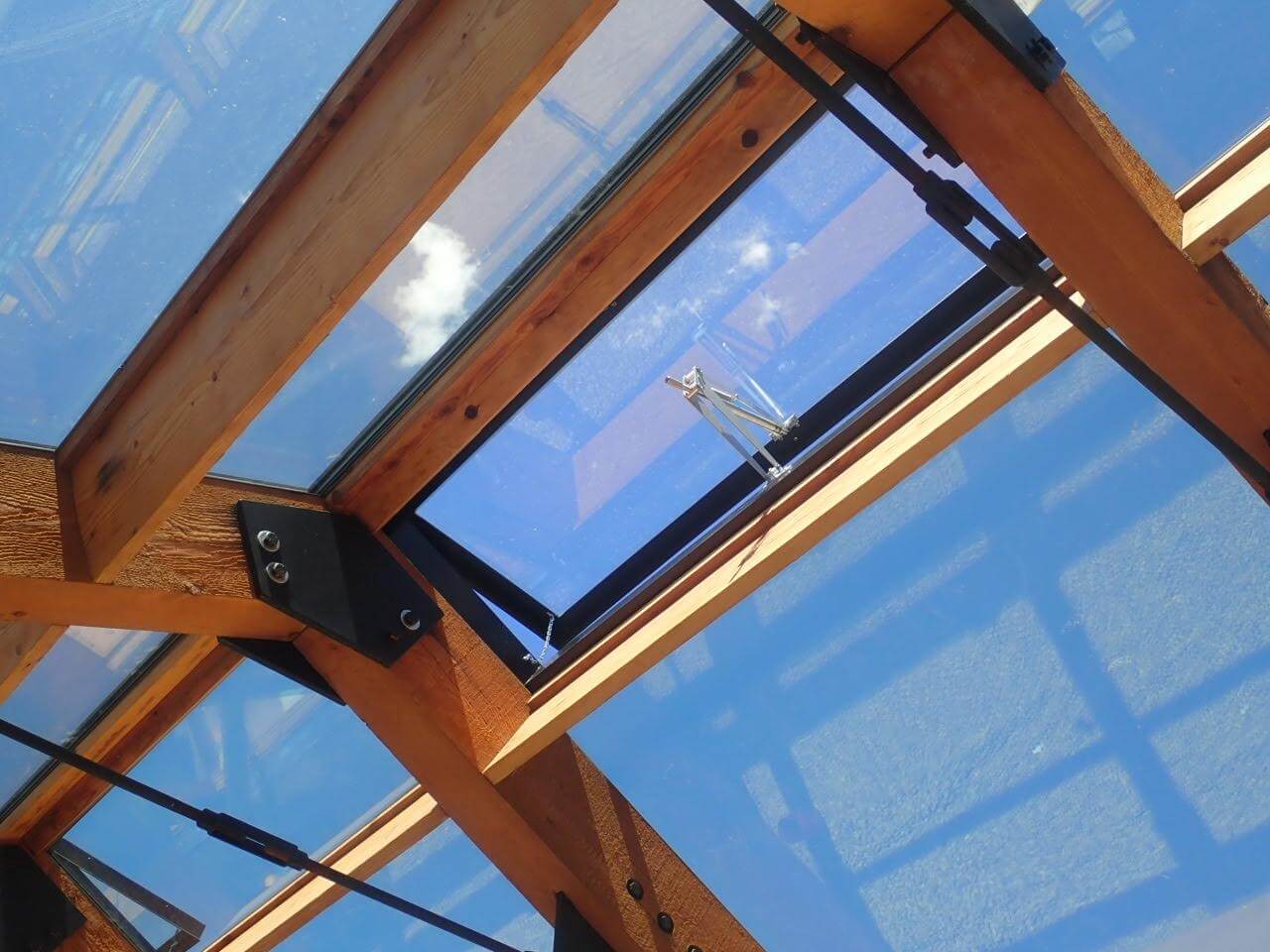
surrounding architecture. Incorporate features such as adjustable vents, operable windows ,
and rainwater collection systems to enhance climate control and sustainability. Additionally,
consider the size and layout of your greenhouse to accommodate the variety and quantity of
plants you wish to cultivate, ensuring enough space for growth and ease of maintenance.
By thoughtfully selecting the location and tailoring the design of your mountain greenhouse, you
create a thriving environment that supports year-round gardening and brings your dream of a
custom timber frame greenhouse to life.
Choosing Quality Timber and Materials for Durability
When building your dream custom timber frame mountain greenhouse, selecting high-quality timber and durable materials is crucial to ensure your structure stands strong against the elements and lasts for years to come. Mountain environments often present unique challenges such as heavy snowfall, strong winds, and fluctuating temperatures, so your greenhouse must be built to withstand these conditions.
Start by opting for timber species known for their strength and natural resistance to decay, such as cedar, redwood, or Douglas fir. These woods not only provide excellent structural integrity but also offer resistance to moisture and pests—key factors for a greenhouse in a mountain setting. Additionally, make sure the timber is properly kiln-dried to reduce the risk of warping or cracking over time.
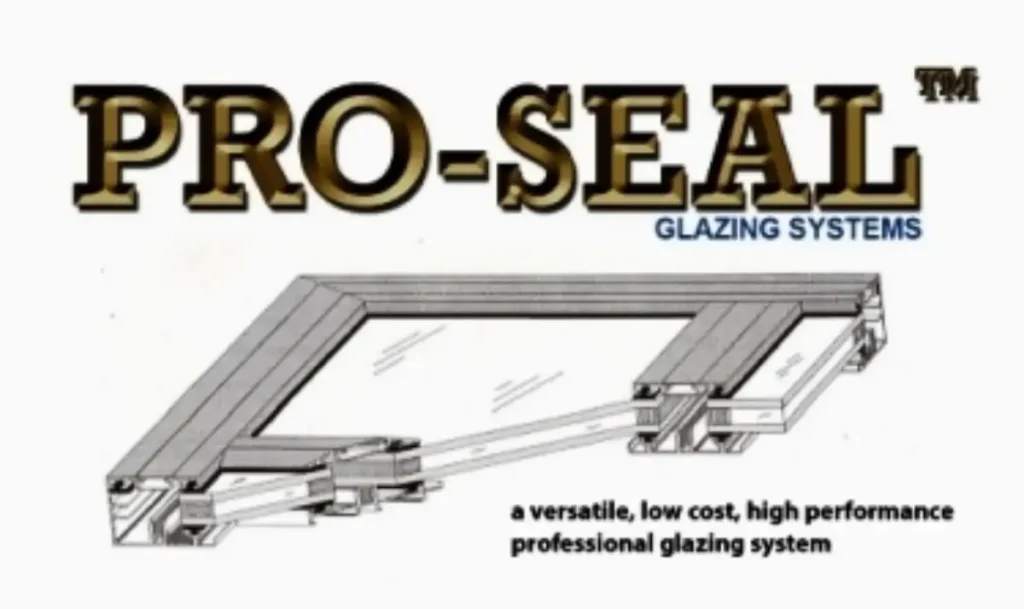
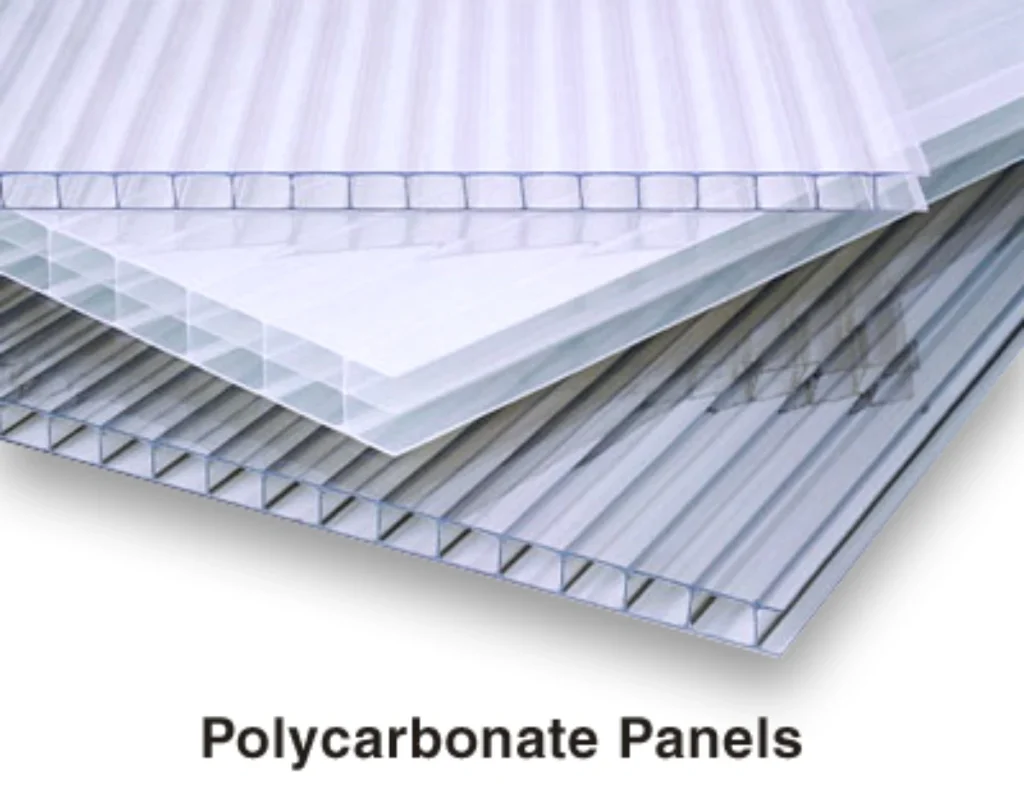
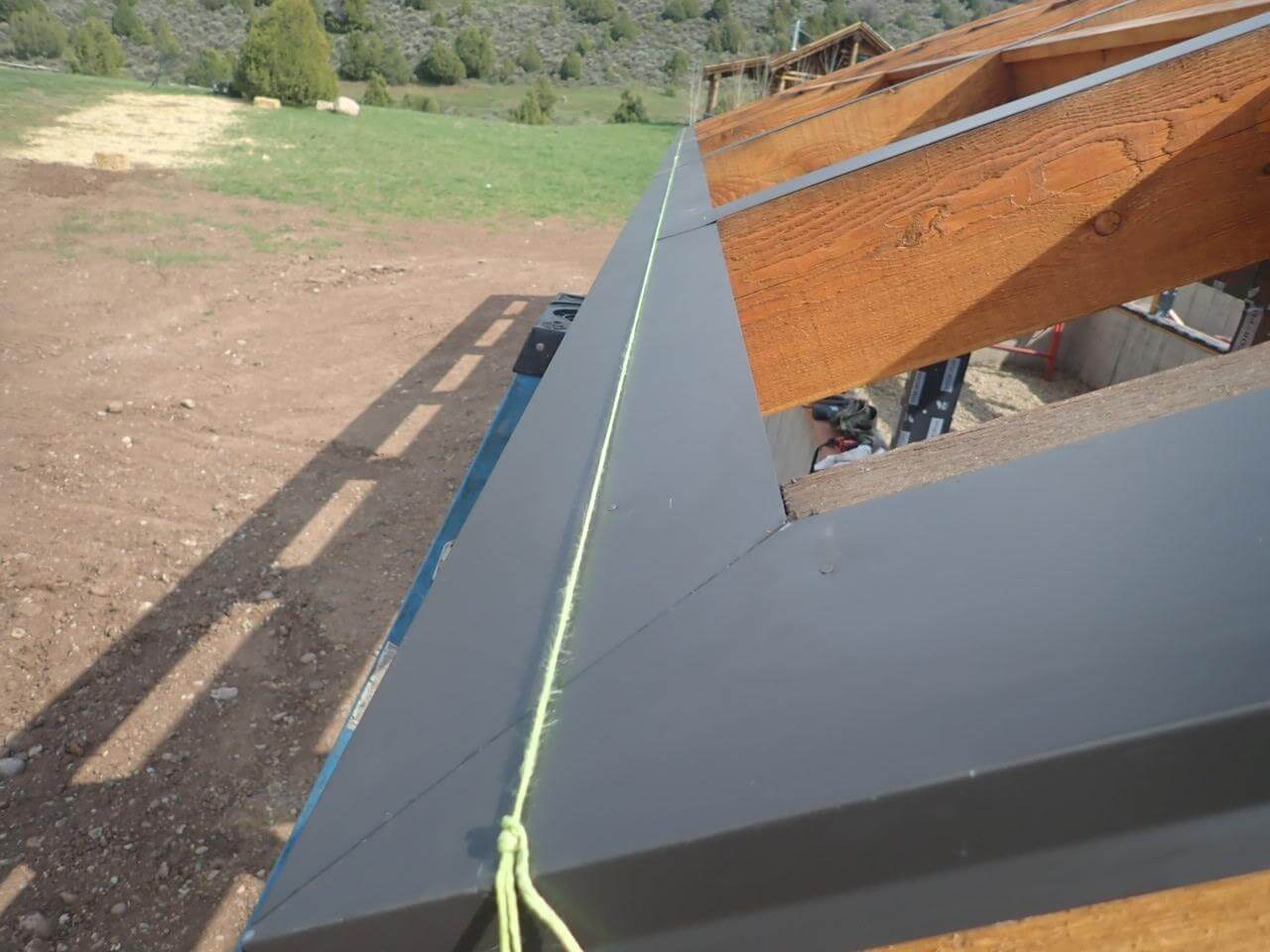
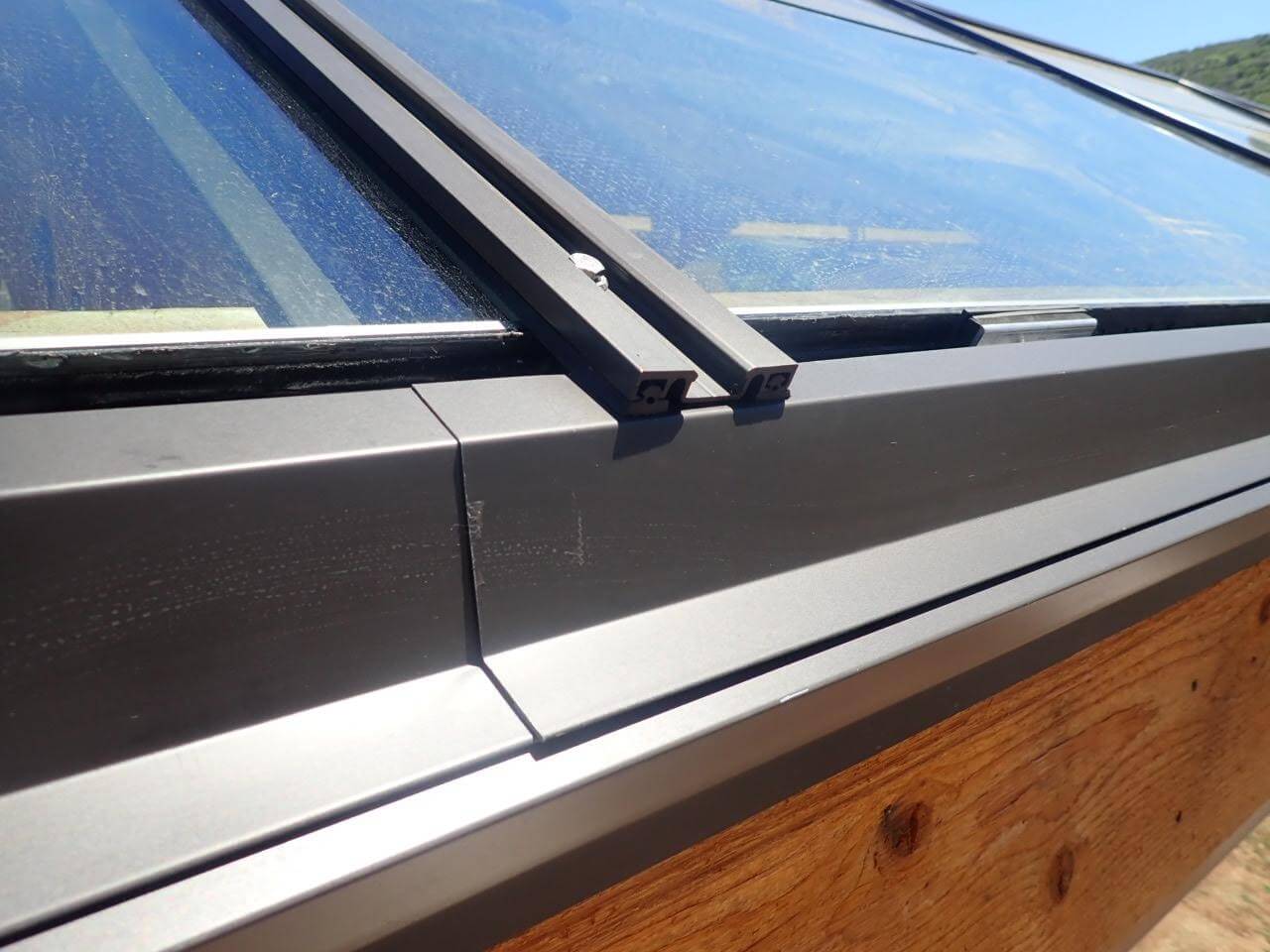
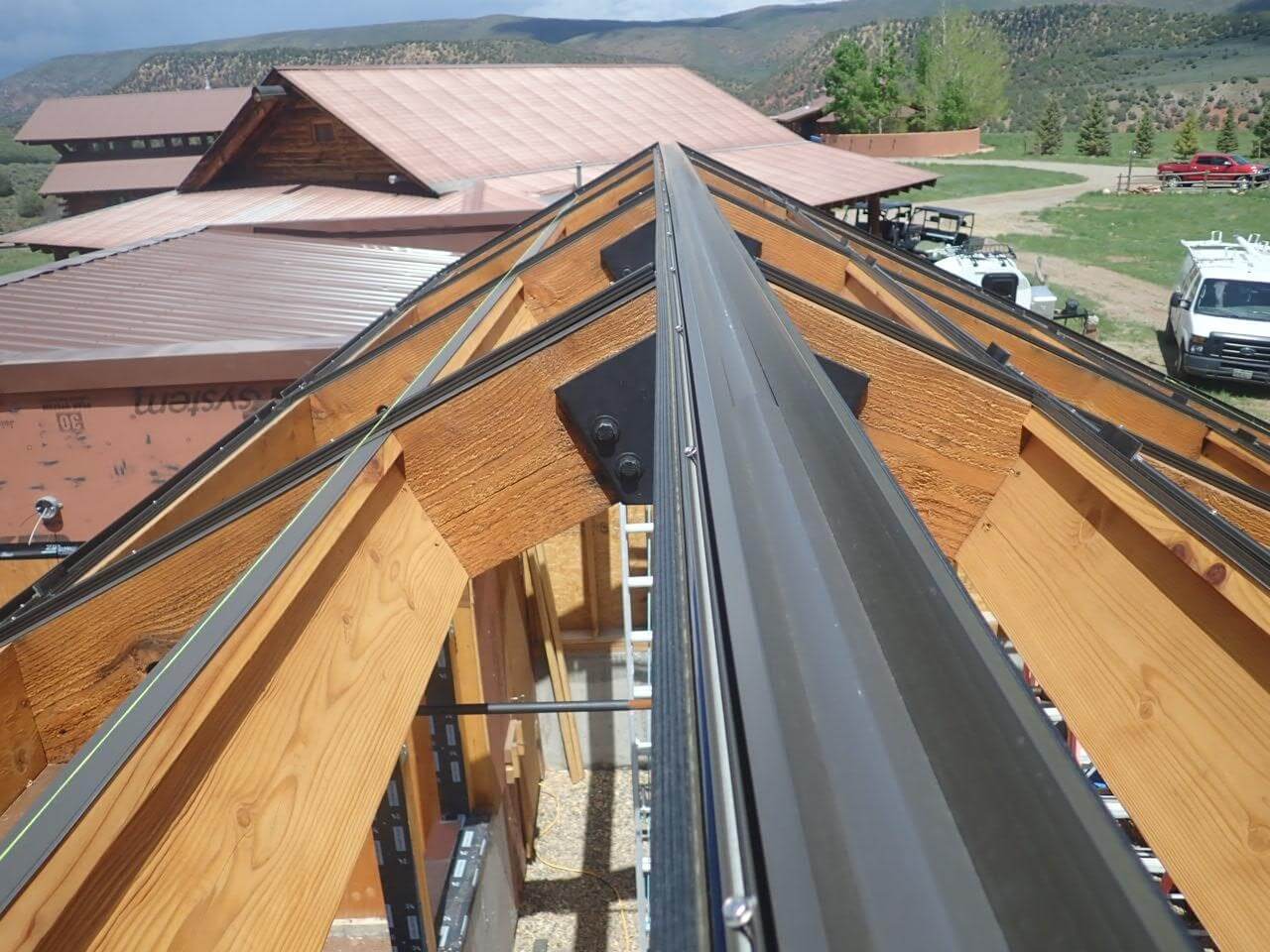
Beyond the timber, pay close attention to other materials used in your greenhouse. Choose high-quality glazing options like tempered glass or polycarbonate panels, which offer superior insulation and durability while allowing plenty of sunlight to nourish your plants. Best to use a quality Aluminum glazing system like PRO Seal … this is a sturdy and well designed clamping system to support and fasten glass or polycarbonate securely to the wood frame structure. This allows the glazing components to separate contact between the wood and the glazing .. For hardware and fasteners, stainless steel or galvanized options are recommended to prevent rust and corrosion caused by moisture exposure.
Investing in premium materials upfront may require a higher initial cost, but it will save you money and effort on repairs and replacements down the line. By prioritizing quality timber and durable components, you’ll create a resilient mountain greenhouse that not only enhances your gardening experience but also becomes a beautiful, lasting feature in your outdoor space.
Step-by-Step Construction of the Timber Frame Structure
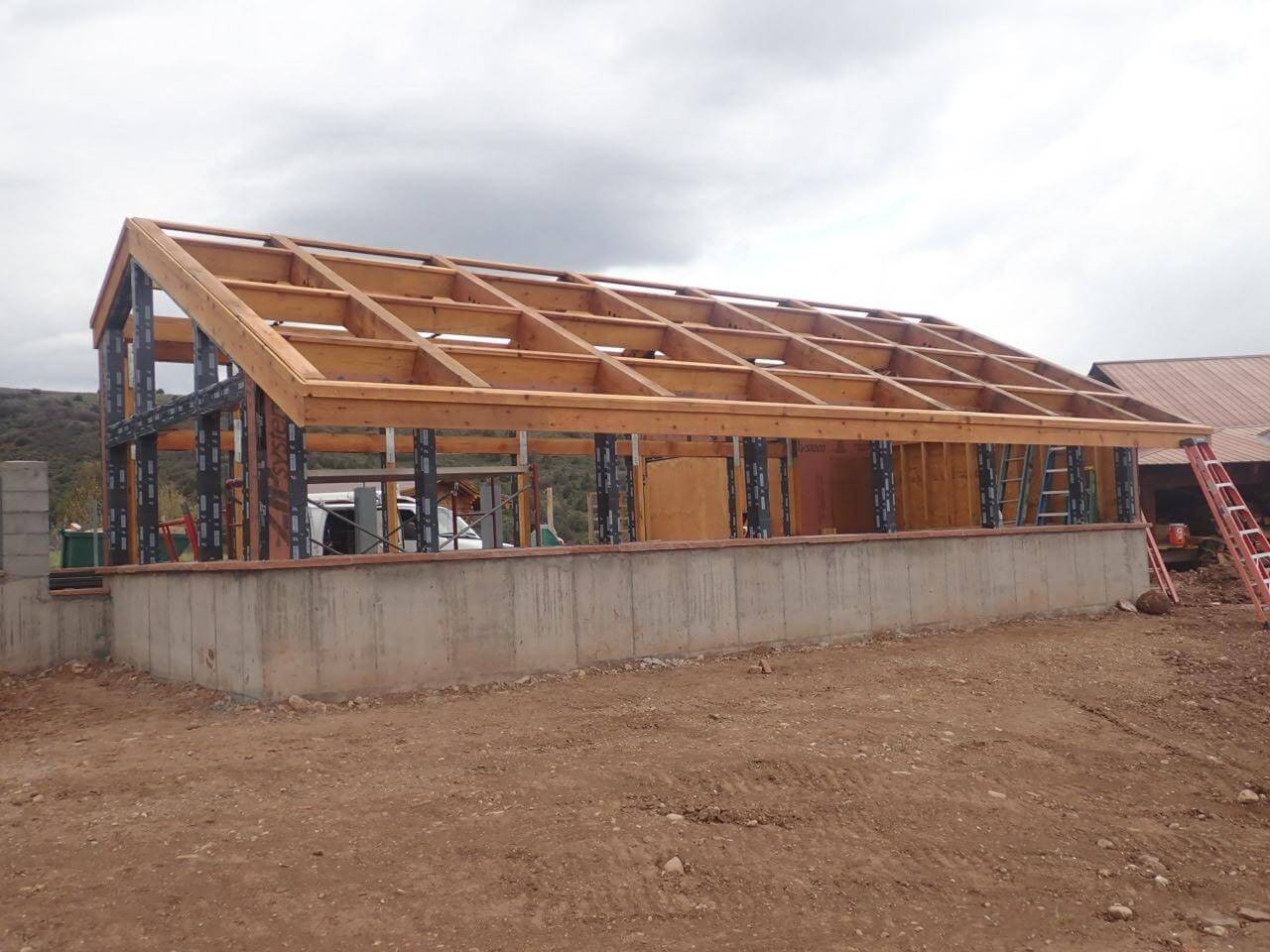
Building the timber frame structure is the heart of creating your custom mountain greenhouse. This process requires careful planning, precision, and patience to ensure a sturdy and beautiful frame that will stand up to the mountain elements. Here’s a step-by-step guide to help you through the construction phase:
1. Preparing Your Materials
Start by selecting high-quality, seasoned timber that is suitable for outdoor use. Common
choices include cedar, pine, or Douglas fir due to their durability and resistance to moisture. Cut
your timber to the required lengths based on your design plans, ensuring each piece is smooth
and free of defects.
2. Laying Out the Foundation
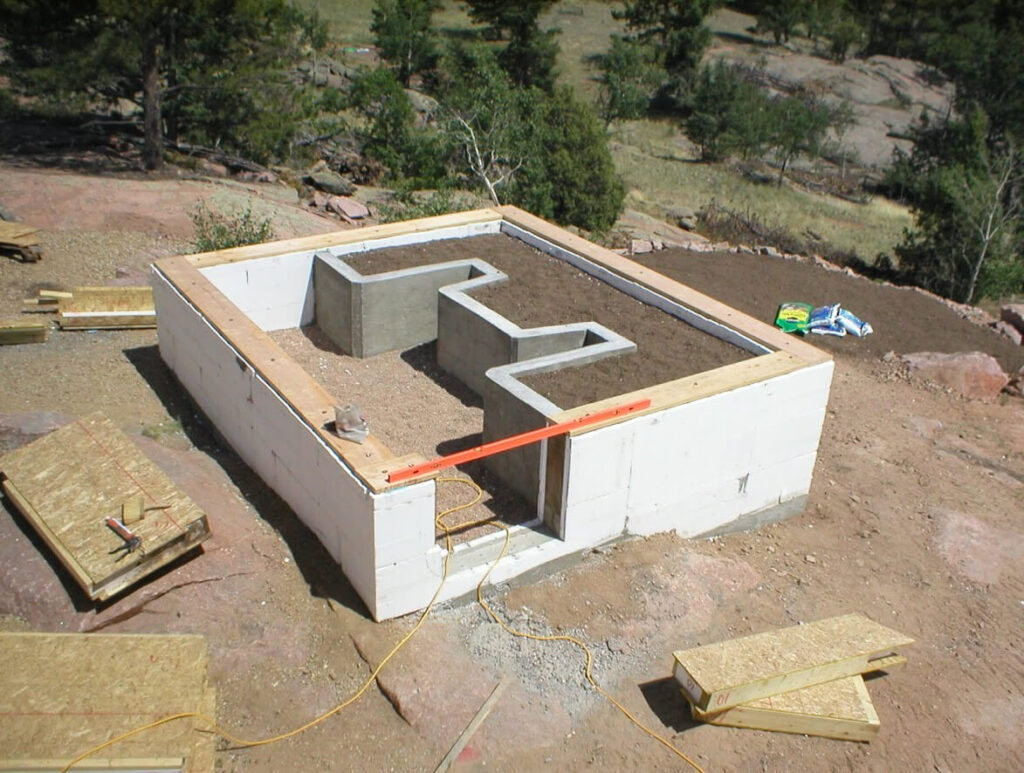
Your greenhouse should be built on a level and solid foundation. Whether you choose a
concrete slab, gravel bed, or treated wooden beams, ensure it is perfectly level. This foundation
will support the timber frame and help prevent structural issues down the line.
3. Assembling the Base Frame
Begin by constructing the base frame directly on your foundation. Securely join the bottom
beams using mortise and tenon joints or metal brackets for added strength. Double-check that
all corners are square using a carpenter’s square before fastening.
4. Raising the Vertical Posts
Once the base is set, raise the vertical posts that will support the roof and walls. These should
be securely anchored to the base frame using heavy-duty bolts or wooden joinery techniques.
Use temporary braces to hold the posts in place as you work.
5. Installing the Rafters and Roof Beams
Next, install the horizontal rafters that will form the greenhouse roof. Depending on your design,
these may be simple beams or more complex trusses. Ensure that each rafter is evenly spaced
and properly secured to the vertical posts to distribute weight evenly.
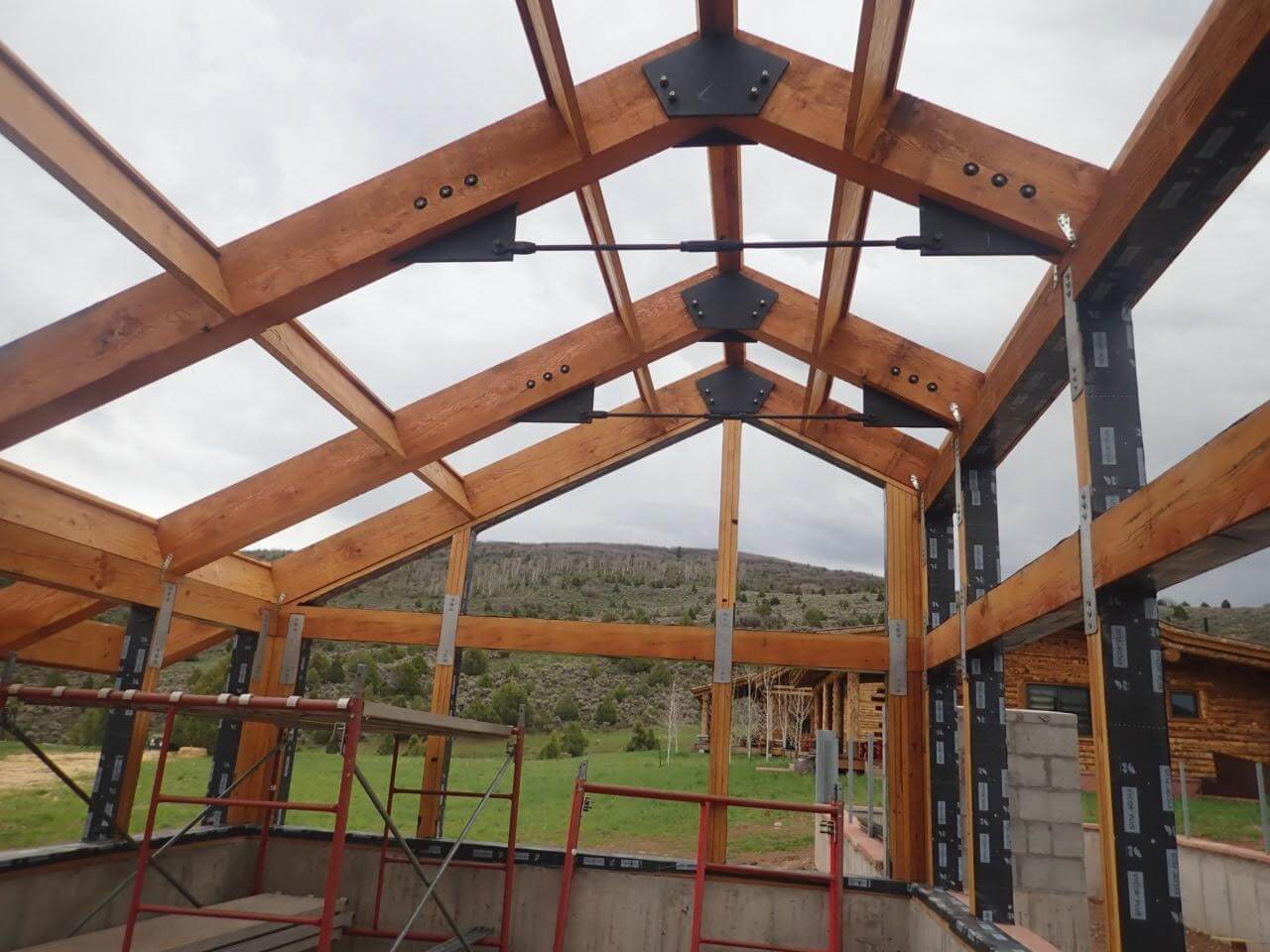
6. Adding Bracing for Stability
To prevent the frame from swaying or shifting, add diagonal bracing between posts and beams. This step is crucial, especially in mountain environments where strong winds and heavy snow loads are common.
7. Sanding and Finishing the Frame
After the frame is fully assembled, sand all surfaces to remove splinters and sharp edges. Apply a weather-resistant finish or sealant to protect the timber against moisture, UV rays, and pests. By following these detailed steps, you’ll create a durable and attractive timber frame that forms the perfect skeleton for your mountain greenhouse. With a solid structure in place, you’re ready to move on to glazing and interior setup, bringing you one step closer to your dream greenhouse oasis.
Insulation and Ventilation Strategies for Mountain Climates
Building a custom timber frame greenhouse in a mountain environment presents unique challenges, particularly when it comes to insulation and ventilation. Mountain climates often experience significant temperature fluctuations, strong winds, and intense sunlight, all of which require careful planning to create an optimal growing environment inside your greenhouse.
Insulation & ventilation is key to maintain a stable internal temperature during cold mountain nights and harsh winters. Using double or triple-glazed glass panels or polycarbonate sheets can significantly reduce heat loss while still allowing ample sunlight to penetrate. Additionally, incorporating thermal curtains or insulated shades can provide extra warmth when needed. Don’t overlook the importance of insulating the base and foundation of your greenhouse to minimize heat escape from below.
On the other hand, **proper ventilation** is just as crucial to prevent overheating during sunny days and to manage humidity levels that could lead to mold or plant diseases. Installing adjustable vents at both the roof and sidewalls allows hot air to escape naturally while drawing in cooler fresh air. Automated vent openers, which respond to temperature changes, are particularly effective in maintaining consistent airflow without manual intervention. Fans and circulation systems can also help distribute air evenly throughout the space. By integrating thoughtful insulation and ventilation strategies tailored for mountain conditions, your timber frame greenhouse will provide a year-round sanctuary for your plants, ensuring they thrive despite the demanding environment. This balance not only promotes healthy growth but also enhances energy efficiency, making your dream mountain greenhouse both sustainable and productive.